
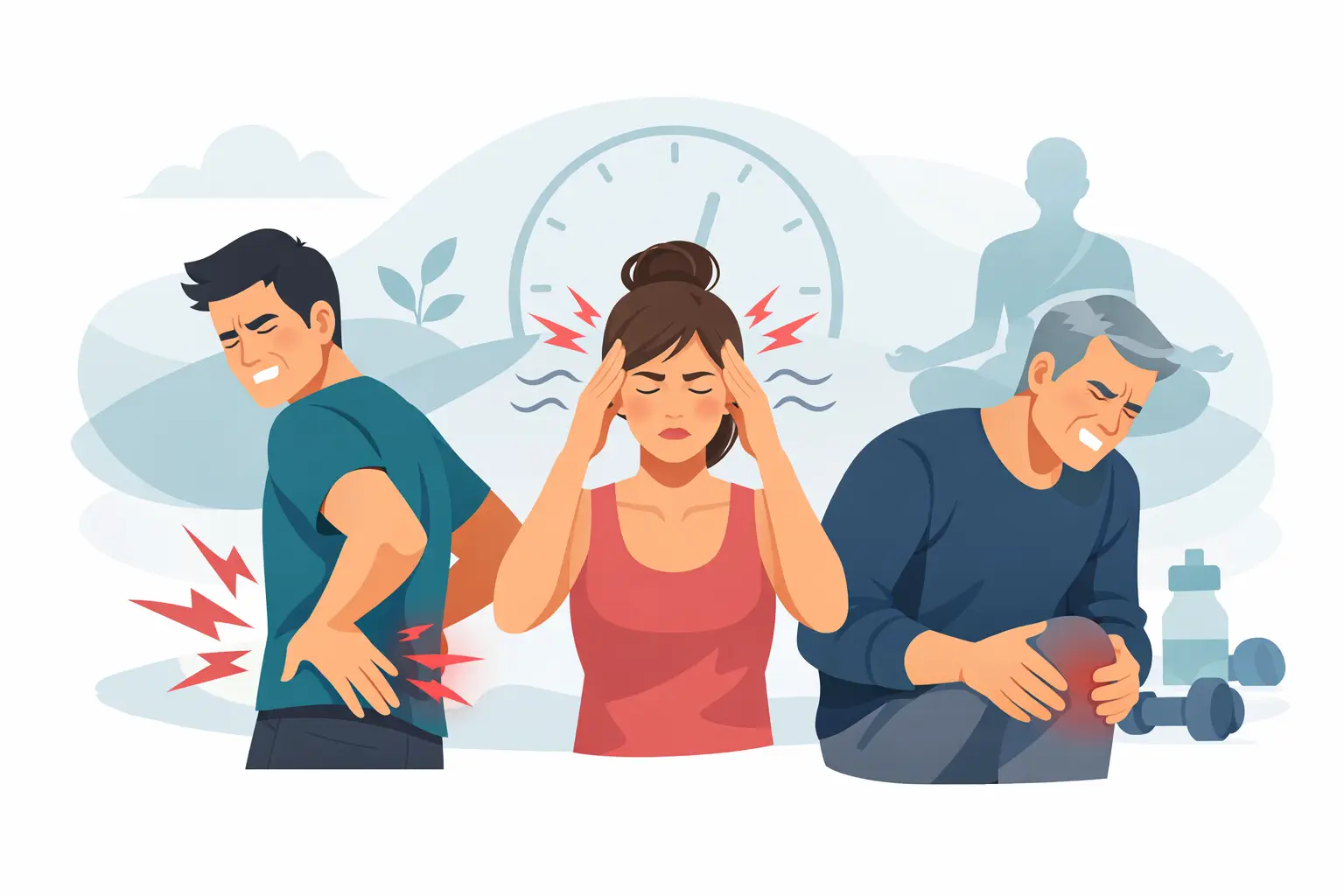
An afternoon at your desk suddenly feels like running up a mountain. Your shoulders slump, every movement takes effort, and even after coffee, your head remains fuzzy. If you want to quickly reduce physical exhaustion, you don’t necessarily need a day off – but you do need the right impulses. This is because exhaustion is not a sign of a lack of discipline. It is often the clear feedback of a body that has performed for too long and regenerated too little.
What can be behind physical exhaustion
Physical exhaustion doesn’t just arise after a sleepless night or intense training. It is particularly often the sum of many small stresses: sitting for long periods, repetitive movements, high deadline pressure, breaks that are too short, restless sleep, and a diet that happens on the side during the workday. Tense neck, back, or shoulder muscles can also consume a lot of energy. The body remains in alarm mode even though the workday is long over.
The distinction between temporary tiredness and exhaustion that keeps coming back or intensifies is crucial. After an exceptionally strenuous week, sleep, fluids, and targeted relaxation often help. However, anyone who does not regain energy for weeks, becomes unusually short of breath, is very dizzy, or notices pain and other symptoms should have this medically clarified. Quick help in everyday life is no substitute for a diagnosis.
Quickly reducing physical exhaustion: the first 30 minutes
When the battery seems empty, many react with more coffee, an even faster pace, or a long stint on the sofa. That can be pleasant in the short term, but it doesn’t always solve the underlying cause. It is more effective to consciously signal to the nervous system: the stress is over for the moment.
Start with water and movement. A large glass of water, followed by five to ten minutes of brisk walking, climbing stairs, or loosely shaking yourself out gets your circulation and breathing going. It is not about sport or performance. The shift away from sitting and tension toward conscious movement helps many people break that heavy, leaden feeling.
This is followed by a short, genuine break without a screen. Sit up straight, release your jaw, and let your shoulders drop as you exhale. Breathe out slowly several times, making each exhale slightly longer than the inhale. This simple change can help reduce inner restlessness and help the body escape the state of constant stress.
A small meal can also be useful if it has been a long time since your last meal. Combine some protein with complex carbohydrates—for example, yogurt with rolled oats, whole-grain bread with cottage cheese, or a handful of nuts with fruit. While sweets alone provide a short boost for some people, they are often followed by the next energy slump.
The most common energy thieves in everyday life
Exhaustion is rarely triggered by just one factor. Once you recognize your personal energy thieves, you can take more targeted action.
Sleep that doesn’t truly restore
Seven or eight hours in bed do not automatically mean deep regeneration. Late-night screen time, alcohol, constant rumination, irregular bedtimes, or tension can significantly reduce sleep quality. If you already wake up feeling stiff and tired in the morning, you should look not just at the duration of your sleep, but at your entire evening ritual.
A clear transition phase is helpful: dim the lights, stop checking work messages, briefly jot down notes for the next day, and then let your body come to rest. It doesn’t have to be perfect. Even a recurring 15-minute ritual creates a reliable counterpoint to a hectic day.
Constant tension in the neck and back
Many professionals work for hours with raised shoulders, their head pushed forward, or their back held rigid. This feels normal at first. However, muscles that never truly relax consume energy and can reinforce the feeling of being permanently drained.
In this case, frequent mini-breaks help more than a single long stretching session in the evening. Stand up briefly every hour, open up your chest, slowly circle your shoulders, and change your position. The same applies to physically demanding work: small periods of relief are not a luxury, but a safeguard for regeneration.
Too much performance, too little rhythm
Exercise is healthy—overtraining is not. If you are exhausted for days after every workout, sleep poorly, or react with unusual irritability, you might need less intensity and more recovery. This also applies to people with physically demanding jobs. Regeneration doesn’t start with a vacation; it is built through the daily balance of exertion and rest.
Relaxation as a targeted regeneration impulse
Some people cannot simply switch off at the push of a button after a full day. The body is tired, but the muscles remain tense. In such cases, a targeted relaxation treatment can be useful—not as a substitute for sleep, exercise, or medical advice, but as support to help the body exit its state of tension.
For people who have little time and do not want a classic manual treatment, EXOmassage in Zurich offers a non-contact application using electromagnetic pulses. The session takes place fully clothed and lasts only 10 to 20 minutes, depending on the service. This format can be particularly attractive for stress-related muscle tension, a feeling of heaviness in the body, or the desire for a short break: no long preparation, no massage oil treatment, and no time lost on elaborate appointments.
The strength of the effect varies by individual. The key is to view the application as part of a sensible regeneration plan. If you immediately return to a hectic pace, screen stress, and lack of sleep, you will hardly be able to build up your energy reserves sustainably. However, combined with breaks, movement, and better sleep hygiene, conscious relaxation can make a noticeable difference.
When you should not just keep going
Not every form of exhaustion can be solved with a walk or a relaxation session. Have your symptoms medically checked if the tiredness persists, is new and unusually severe, or significantly restricts your daily life. This applies particularly to chest pain, shortness of breath, fainting, racing heart, fever, unexplained weight loss, severe mood lows, or neurological abnormalities.
Iron deficiency, thyroid changes, infections, medications, or psychological stress can also be the cause of persistent exhaustion. Seeking clarity often saves time and prevents you from ignoring warning signals. Self-care does not mean having to solve everything on your own.
A realistic routine for more energy
You don’t have to completely overhaul your daily routine. For the next seven days, choose three fixed anchors: a glass of water and daylight in the morning, ten minutes of movement without a phone at midday, and a screen-free rest phase in the evening. Supplement these habits with a conscious physical break as soon as your neck, back, or shoulders feel tight—not just when you can’t go on any longer.
People who sit a lot benefit from short activation phases. Those who work physically need targeted relief and sufficient sleep. Those who train intensively should not view rest days as a setback. Reducing physical exhaustion quickly does not mean outsmarting the body. It means taking its signals seriously and regularly providing the conditions for genuine recovery.
The most effective change often begins unspectacularly: a break before the body is forced to take one. Give your regeneration a dedicated spot in your calendar today—your energy is not a product of chance.